Keep the Roadless Rule
By: Deborah Lee Luskin
At the annual conference of the Outdoor Writers Association of America last month, I learned about current efforts in Congress to rescind the Roadless Rule, a 2001 U.S. Forest Service regulation that protects millions of undeveloped national forest land from road building and commercial logging.
In the 25 years that the regulation has been in place, it has also been studied. USFS management records show “a lack of roads has not stopped fire prevention measures; fuel management activities in roadless areas have actually been more numerous on a per-square kilometer basis than elsewhere in the National Forest System. . .”[i] A USFS study concludes, “Speculation that eliminating road prohibitions would improve forest health is not supported by nearly twenty years of monitoring data.” This is science; rescinding the Roadless Rule is politics.
Rescinding the Roadless Rule will allow not just the building of roads in pristine areas but will also allow logging and mineral extraction. Such operations inevitably effect forests adversely. They also harm the very beneficiaries for whom this land is held in trust: Us, the American public.
The main purpose of these forests is not decorative, nor to protect wildlife, although they do provide magnificent scenery and habitat for many animals, from humble insects to charismatic megafauna. Of greater importance, forests hold soil, filter water, sequester carbon, and serve as the lungs for our planet. More than ever, humans need forests for flood prevention, for drinking water, and for clean air.
One of the speakers at the OWAA was the Honorable Bruce Westerman, Representative from Arkansas, and Chair of the House Committee on Natural Resources. He’s both an engineer and a forester who spoke eloquently about his love of the outdoors, a love I share with him as a conservationist, a hunter, and an American who values public land. I was moved to look him up when I returned from the conference and confirm his support for keeping the Roadless Rule intact. I was heartbroken that he toes his party’s line against “burdensome regulation” that prohibits roadbuilding and logging in these areas that have been purposely set aside from human exploitation.
Representative Westerman never mentioned the Roadless Rule in his speech at OWAA, but Chris Wood, who spoke next, certainly did. Chris Wood is the President & CEO of Trout Unlimited, whose mission is to “care for and recover rivers and fish.” He spoke about the importance of public lands as essential habitat and as shared spaces that sustain outdoor traditions, recreation, and conservation. He makes these points in his editorial, “Keep it Roadless.”
At the time the Roadless Rule was passed, Chris Wood worked for the USDA Forest Service as Senior policy and communications advisor to the Chief. He was involved in getting the Roadless Rule adopted, and he’s passionate about keeping it on the books. He says, ‘Your voice matters,” and urged us to write to the U.S. Department of Agriculture by midnight on September 21. It’s simple. I used this form. I urge you to do so, too.
Representative Westerman claims rescinding the Roadless Rule will lift a “burdensome regulation” (his words). That’s short-sighted thinking. Regulation reduces fires; fires are a symptom of changing weather patterns resulting from unrestrained human activity. Opening the roadless areas to roads and resource extraction will degrade these forests, promote soil erosion, degrade water supply, and ruin landscapes that exist thanks to years of stewardship. These landscapes will take generations to recover.
We have our forebearers to thank for America’s public lands, lands held in trust for all of us now and for generations to come. Building roads through the few pristine acres protected by the Roadless Rule will endanger the future of these public lands.Subscribe
[i] Sean P Healey 2020 Environ. Res. Lett. 15 104023.
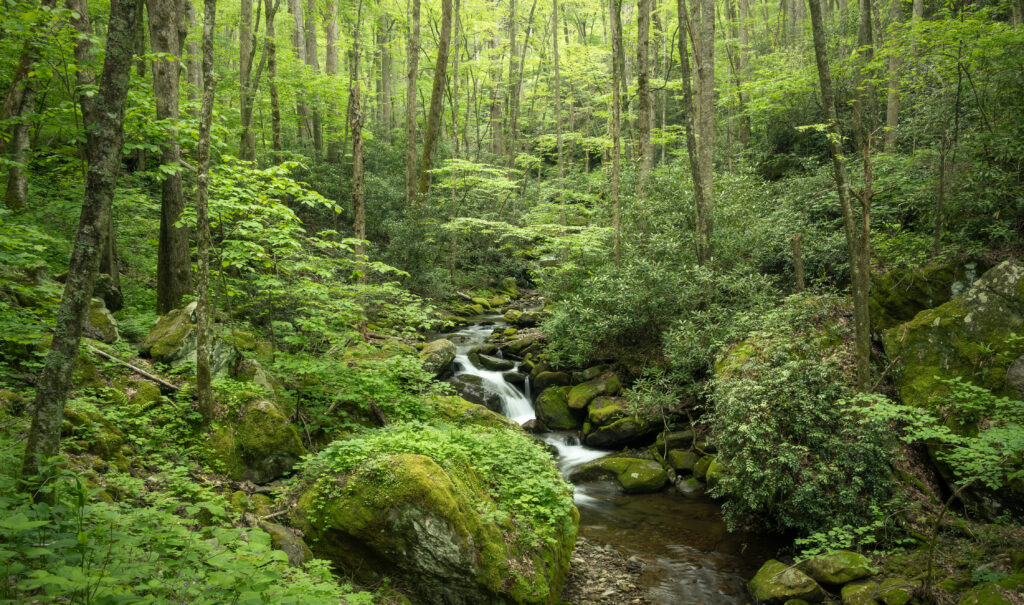
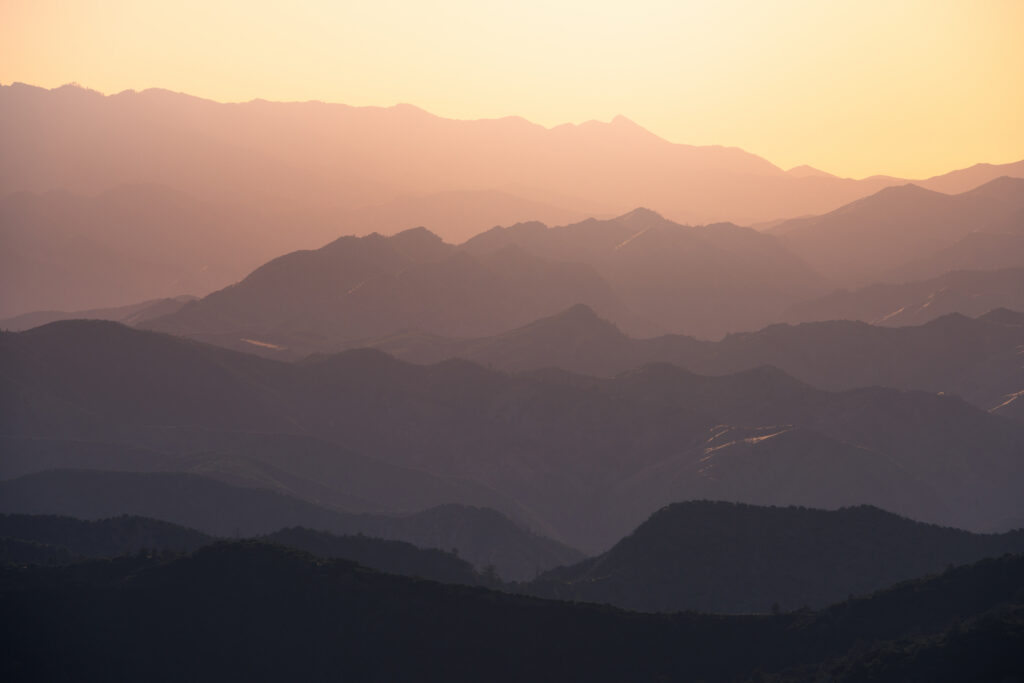
Landscape photo credit to Mason Cummings.