Parker River Wildlife Refuge Fosters Deep Family Traditions
By: Paige McMahon
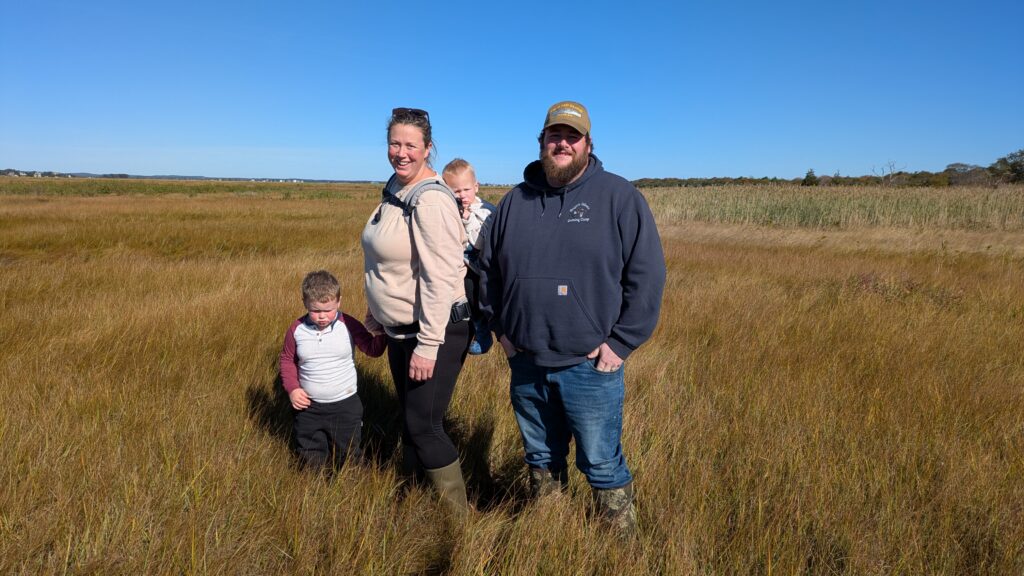
If I could pinpoint one place that made me fall in love with the outdoors, it would be the Parker River National Wildlife Refuge in Massachusetts. So many childhood memories are tied to that one incredible landscape. It’s where my grandmother and I picked out our favorite tree—and now it’s a place my kids ask to visit, too. Four generations of my family have cherished this land, and I hope many more will have the chance to do the same.
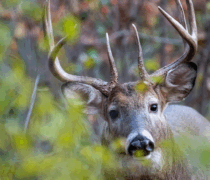
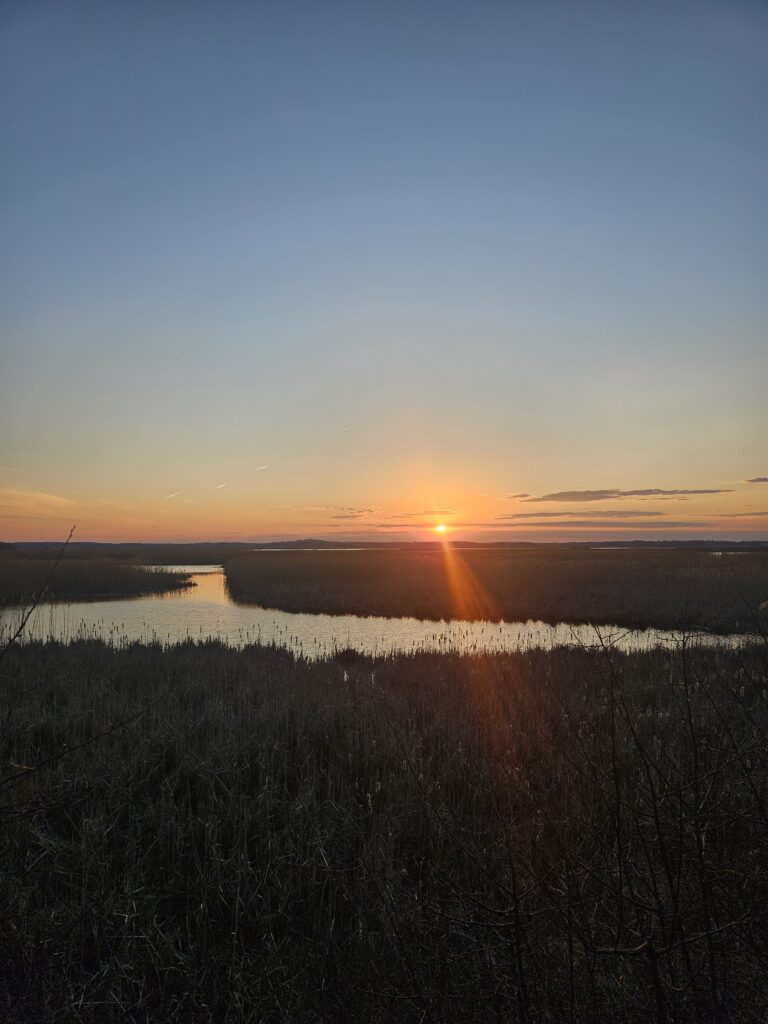
This property is not just beautiful; it has taught me so many lessons about the natural world – and about myself. As a child, my parents took me and my siblings for sunset drives where we competed to see who could spot the most whitetail deer. It helped me develop an eye for finding and appreciating wildlife. This property is where I also learned patience from sitting in a blind or observation tower waiting for birds. Hours were spent in the salt marshes while I learned how to use binoculars to identify species of birds and ducks.
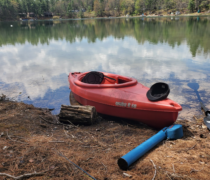
It is where I have walked miles across the ever-changing sandy shore admiring the power of the ocean. It is where my parents and I launch our kayaks from and quietly paddle the river enjoying all the beautiful scenery and wildlife. But of all the lessons I learned at “my” refuge, the most enduring is the importance of conservation.
Every time I cross onto this property, I am reminded how important it is to protect the land so that wildlife can thrive for generations to come. The number of species that call the pristine seven miles of coastline home is astonishing. More than 300 species of birds pass through here, including snowy owls. And the Parker Refuge has been instrumental in the restoration of the piping plover population.
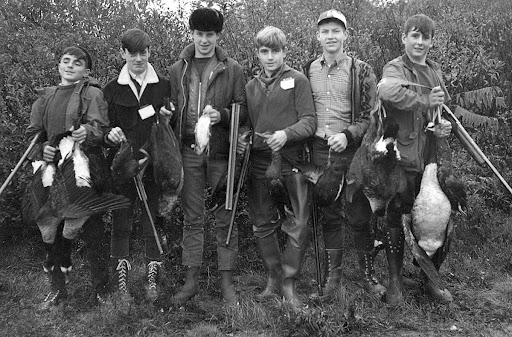
One of the many unique benefits of this refuge—and one that profoundly impacted me—is the youth waterfowl hunting program. It is the longest continuous youth hunt on any refuge property. It was started in 1965 and over the years, thousands of kids have passed through the program.
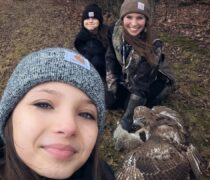
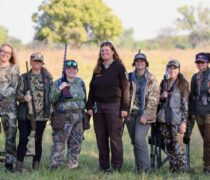
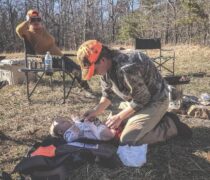
The main property of the Parker River National Wildlife Refuge is closed to hunting except for the youth hunt, and now an additional women’s hunt. The model for this program is that youth sign up and spend a day in a classroom learning about regulations for duck hunting, identifying species of ducks and getting tips from experienced waterfowl hunters. The youth are then paired with a mentor who takes them out to survey their hunting spot on the marsh. One week later everyone returns to the refuge to spend the day duck hunting.
Since the property is closed to hunting it is commonly populated by people looking to birdwatch. The youth hunt brings the experience full circle for duck hunters. The main property was the first refuge in the nation purchased with federal duck stamp funds, meaning it was largely paid for by duck hunters themselves. Sometimes young hunters question whether the refuge is an appropriate place to hunt, which gives mentors an opportunity to explain how conservation is an essential part of hunting.
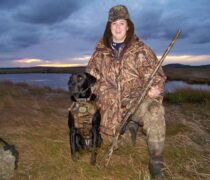
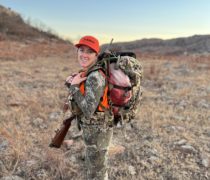
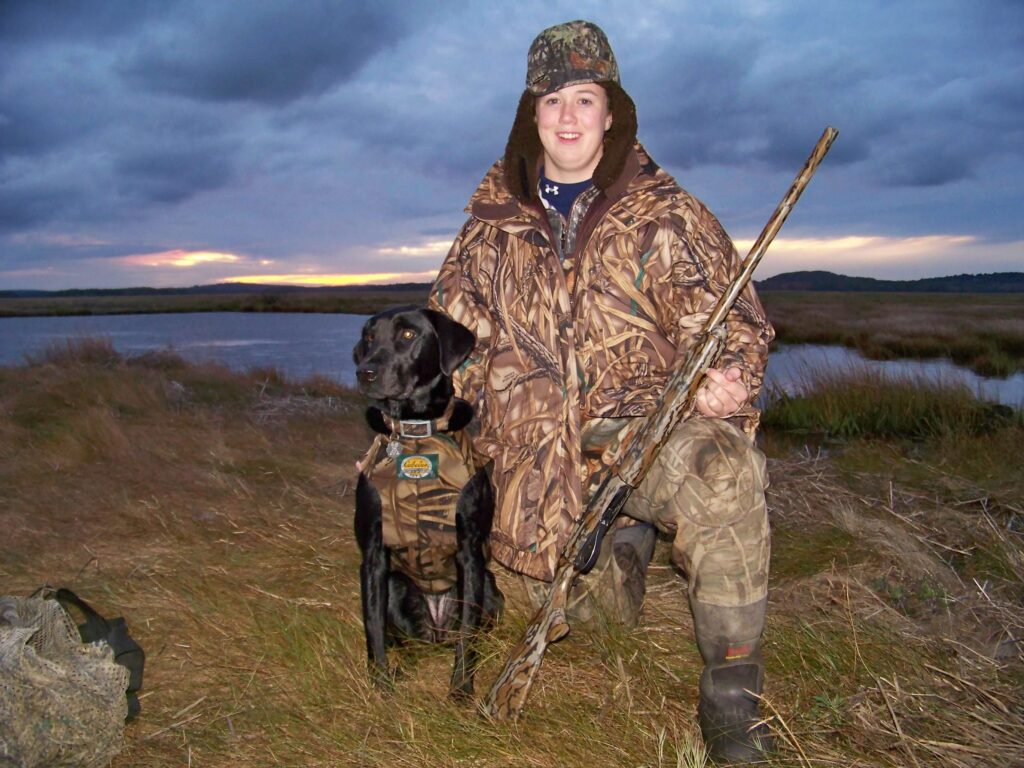
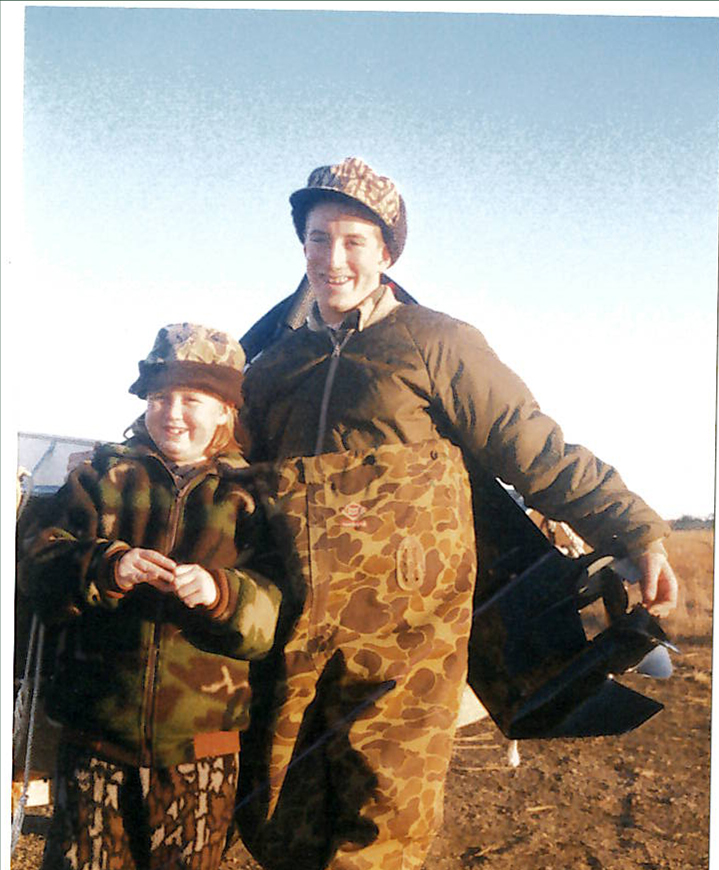
I can’t even put into words just how important this youth hunt program is to me and my family. My dad is a born teacher and believes deeply in the idea of passing knowledge and skills on to the next generation. When I was young he felt called to volunteer and help mentor the youth in this program. When my brother was the right age, my dad took him and our 6-month-old puppy out hunting for the day and my brother got a banded 20-year-old goose and a black duck. Seven years later, my dad took me and that same dog out and I got a gadwall and a black duck. My brother and I know it is our time to give back so we help to run and mentor the hunt every year.
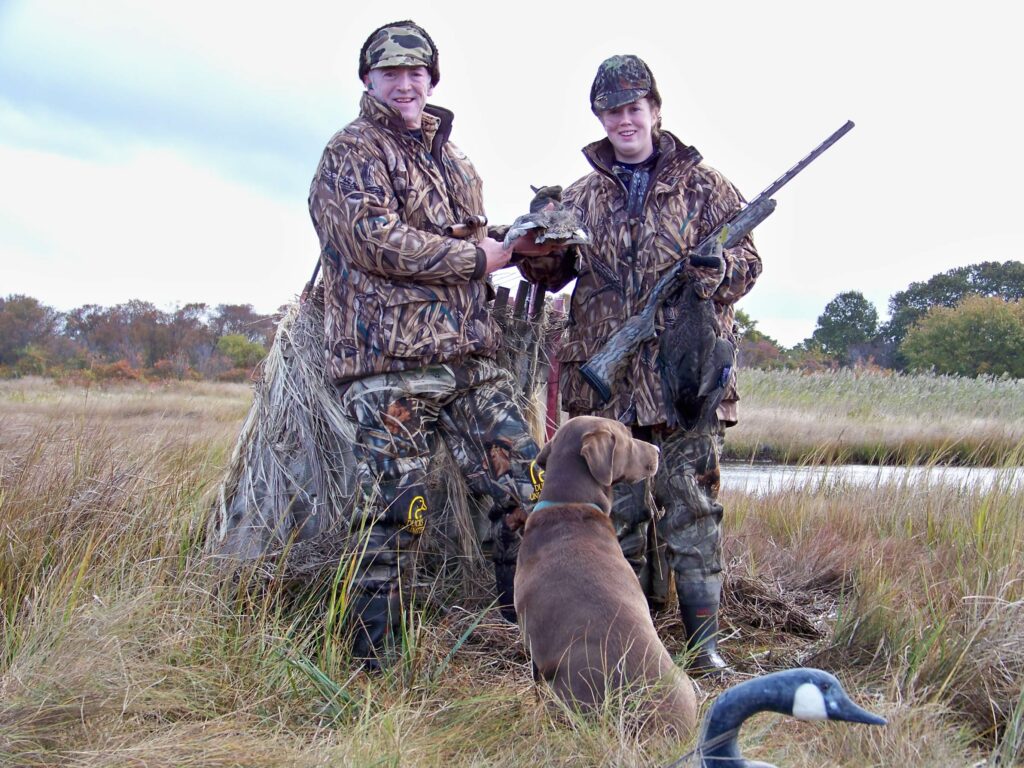
Two years ago, my brother continued the tradition by bringing his son on his first youth hunt where he got 2 black ducks. My mom, as the nonhunter, stays at home with my three very young children, but as soon as we start packing up, she brings the kids outside so they can start to learn the importance of hunting traditions.
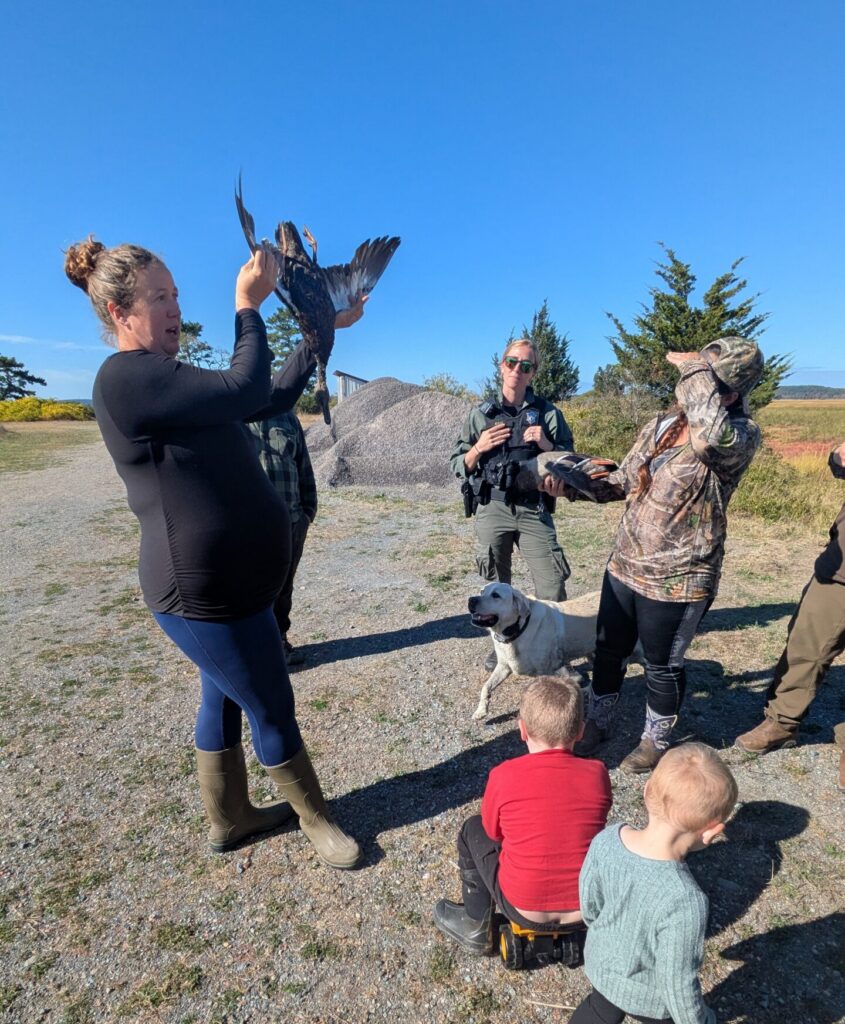
If you still doubt how deeply I believe in this hunt, consider this: on the morning of my wedding rehearsal, my father, brother, and soon-to-be husband were out mentoring. As I was getting ready, I got a call that a young hunter needed a retriever—so I dropped everything and brought one of my Labrador retrievers to help recover a duck. We all made it to the rehearsal, but not before doing our part to support the next generation of strong, ethical hunters.
I am forever grateful for the Parker River National Wildlife Refuge because my journey into the outdoors is centered around it. I want my kids to have the same experiences I did. My 4-year-old son already talks about the different animals he has seen at the refuge and how he can’t wait to see more. I know that if we continue to steward this place the way it has cared for us, it will keep shaping young hunters, families, and conservationists for generations still to come.